ProPublica wins November Sidney for Exposing Growing Number of Women Deported After Reporting Domestic Violence
NEW YORK — Melissa Sanchez and Anna Clark of ProPublica win the November Sidney Award for shining a spotlight on the growing number of women who are being detained or deported after calls to police for domestic violence.
The Trump administration has revoked various protections for immigrants who are victims of domestic violence, including those with pending applications for legal status under the Violence Against Women Act. Today, no policy prevents ICE from arresting people at domestic violence shelters and hospitals. Local authorities are increasingly cooperating with ICE enforcement.
Clark received a tip that connected her and Sanchez to victims of domestic violence who ended up in a Michigan immigration detention center. She and Sanchez made contact with several women who ended up in ICE custody because they called the police on their abusers.
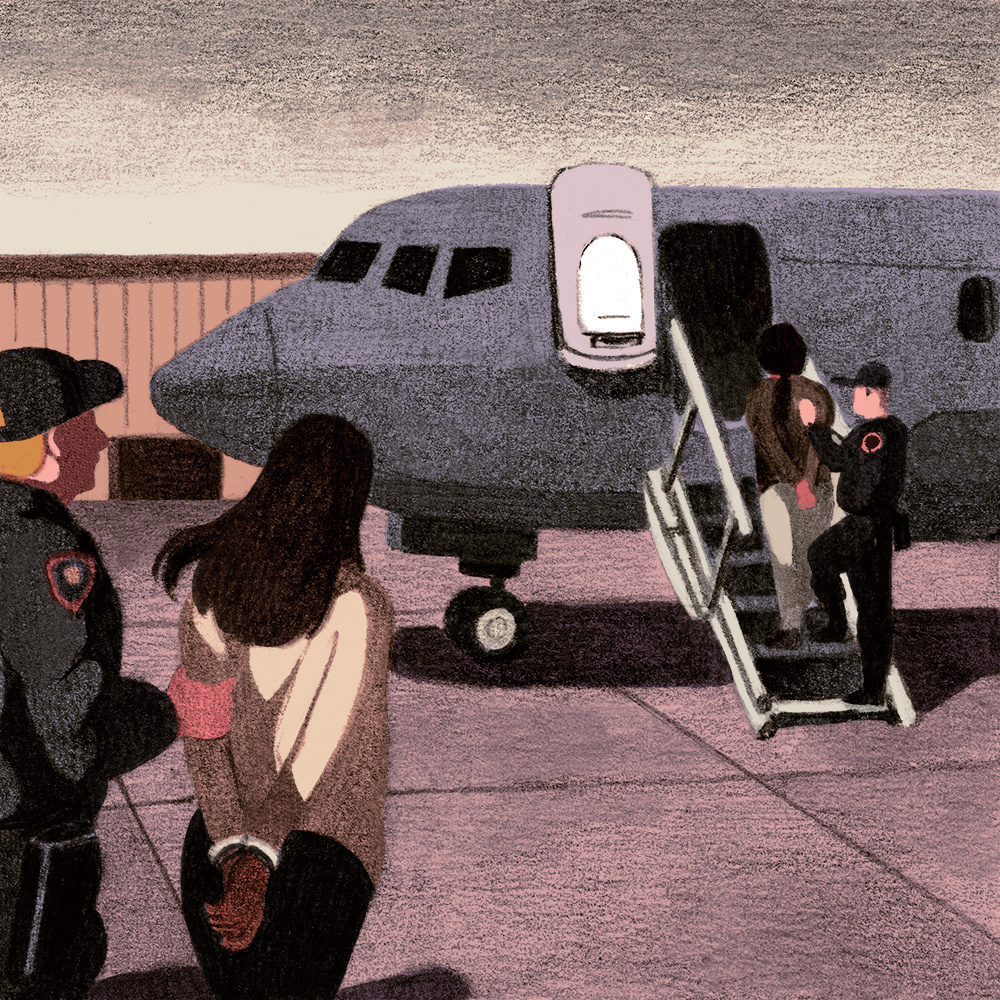
Leya, a young mother from Cuba, had called the police about her boyfriend after he gave her a black eye. Police arrested him for suspected battery. During another argument, she tried to stop him from calling 911, and was arrested. Prosecutors declined to file charges, but instead of being released, she was flagged to immigration authorities and moved to a federal detention facility. She never got to tell her story to a judge.
“Donald Trump claims that his immigration policy is focused on the worst of the worst criminals,” said Sidney judge Lindsay Beyerstein. “These women hardly fit that description.”
There’s been a chilling impact on women coming forward in domestic violence situations and reporting abuse or cooperating with authorities. One organizer in Michigan said she now advises her clients to think twice about calling the police because they might get deported.
Melissa Sanchez is a Chicago-based investigative reporter at ProPublica, where she writes about immigration and labor. Her work has documented unsafe conditions for immigrant dairy workers, punitive ticketing and debt collection and the Trump administration’s deportation of Venezuelan men to a foreign prison.
Anna Clark writes accountability stories rooted in Michigan and the Midwest that have national resonance. She won a Hillman Prize for her book, “The Poisoned City: Flint’s Water and the American Urban Tragedy.”
Backstory
Q: How did you get interested in this intersection of immigration and domestic violence?
A: The way we got into this story is kind of twofold. Melissa has been working on immigration stories for many, many years. Second, me being in Michigan, I ended up getting a tip that connected us to a group of women who were detained at an immigration detention facility here. So we quickly partnered together to learn more about what was going on with them. It was easy to notice the pattern in how they got there. We were hearing these harrowing accounts of domestic abuse and that led to police encounters that ended up putting them into this detention facility. Some women that we were connected with ended up being deported.
Q: What were the most important findings of your story?
A. What we wanted to look at was how immigrants who are victims of domestic violence ended up being detained and even deported, often after having some kind of interaction with local police, and sometimes when they themselves had reached out to police. This was really striking because we have decades of policy guidance and practice in this country that’s meant to help women, men and children who are victims of domestic violence and who are immigrants. But in the last two years, many of those protections have been eroding.
Q: Why are women being deported for calling the police on their abusers?
A. We got bodycam footage and police reports, and we were mystified in some cases about how these arrest decisions were made. It wasn’t clear to us, as non-lawyers and non-law enforcement officers, what justified some of these arrests. One thing we found out is that there has been this long-standing policy meant to protect people who are victims of domestic violence that, in these cases, ended up going against them. This is sometimes called a pro-arrest policy. And in some states, it’s mandatory.
Q: Tell me about Leya
A. Leya is a young mom. She originally came here from Cuba. She had a young daughter with her boyfriend. She says that the first time he hit her was about a month after the baby was born. She called the police but hung up. She got scared. The police came anyway. They ended up arresting the boyfriend for battery. They took these really disturbing photos that we saw. The blow gave her a black eye.
She had no idea what to do, and this life-changing encounter ends up happening when they were having an argument, she tried to grab him and stop him from calling 911. His call goes through and he tells the operator that there’s no violence, they’re just having an argument, but he’s asking for their assistance. So they show up and have a talk with him.
While they were having this argument, she tried to grab him and stop him from calling 911. She admits she did this, although she says she never hit him or anything, and so the police end up arresting her. The prosecutor said they didn’t pursue charges against her because she wasn’t successful in interfering with the call. There were no injuries. It seemed that there was nothing to go on. But instead of being sent home, the system flagged immigration authorities. They put a detainer on her, essentially asking the local jail to hold her until they can come pick her up. They come pick her up and they take her to the federal detention facility, which truly just shocked her. She thought she would have a chance to tell a fuller story about what had happened to her to a judge or something but she never got that chance.
Q: Trump claims he’s focused on deporting the worst of the worst criminals. Do these people qualify?
A: They clearly don’t. We have long heard from the administration that the targets are the worst of the worst. And that is literally what the administration officials said to us when we reached out to them for this story, that they’re targeting the worst of the worst, they said they were, in fact, trying to save women’s lives.
The women we featured in our story were mothers. One of them had a job, they’re just working, they’re just trying to make a life here. They had not been charged with any crimes.
- ‹ Previous
- Next ›